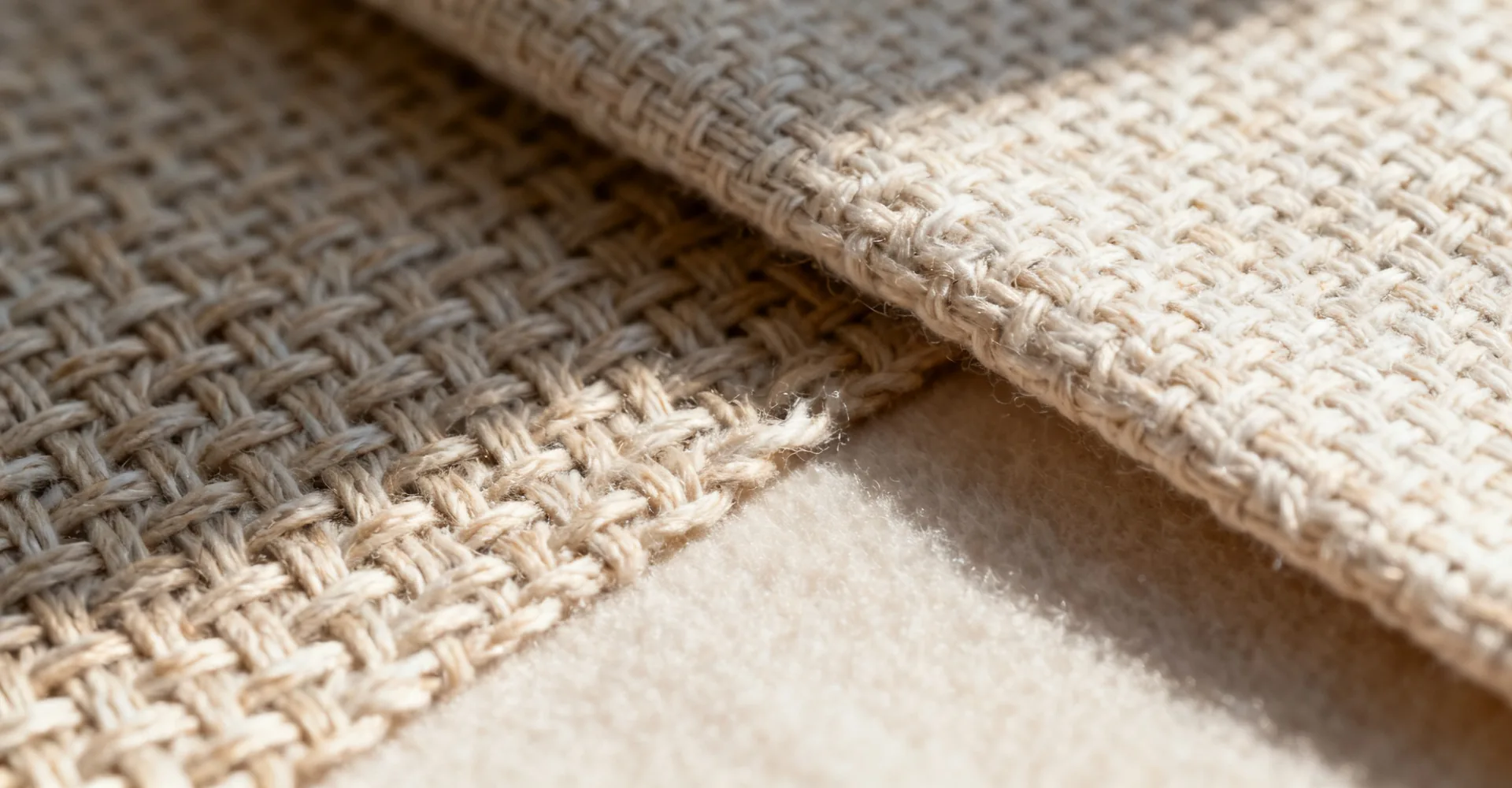
Macro cross-section of an unbranded apparel cloth showing face yarns and a supporting structure

Read the cloth before the order

Toyobo — Separate face, structure and backing

Face
Surface, drape and the hand a garment actually shows.
Structure
Weave or knit that carries GSM and width. State grams per square metre with a tolerance, and the usable width in centimetres after the selvedge is excluded. A worked note is 180 g/m² ±5% and 150 cm usable. That note is the buyer's target, not a published Toyobo result.
Backing
What supports cutting, sewing and wear. Say whether the cloth will be fused, lined or worn next to skin, and which seam the panel uses. A lockstitch and an overlock do not ask the same thing of the edge.
Send a specification

Apparel material scope

Use the scope to prepare a shortlist. No performance number is stated here.
Material family Review first Next step
Woven apparel cloth Fibre blend, weave, and the cuttable width after selvedge. Write the fibre share so the parts add to 100%, for example 100% cotton or 65% polyester and 35% cotton. Those shares show how to write the brief, not a Toyobo construction. Browse apparel materials
Knit apparel cloth Stitch type, target GSM with tolerance, and stretch recovery as a question. Discuss a knit brief
Finished surface Shade reference, named finish, and whether the swatch is dyed or greige. Open the brief fields

Brief essentials

Material reference
A fibre declaration or a physical swatch. A trade name alone does not describe the cloth.
Application
Garment type, expected care, and how the panel will be cut and joined.
Order context
Quantity, destination and the timing you want discussed. Those points do not set a minimum or a ship date.
Method context
Sample context
Scope context

Send one clear material brief

Composition, construction, GSM, usable width and finish belong on separate lines.

Discuss your fabric requirements